The Care Initiative · Anambra
What Anambra taught us about delivering care
450 girls. Two schools. Lessons in preparation, education and accountability.
Outreach date:
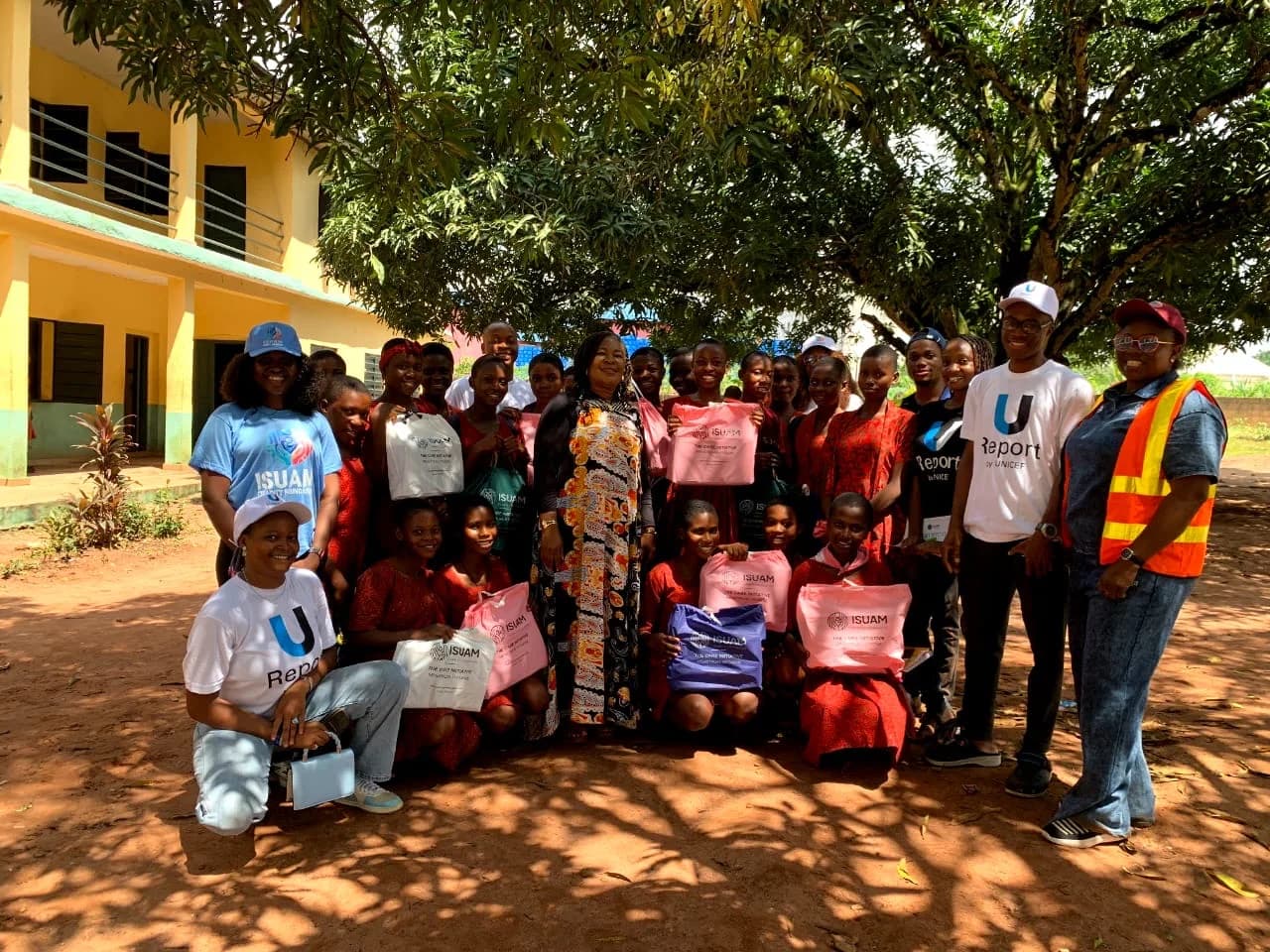
The journey home from Anambra was easier than the journey there. We had completed our school visits, distributed the sanitary pads and were returning with a better understanding of what it takes to deliver a successful outreach.
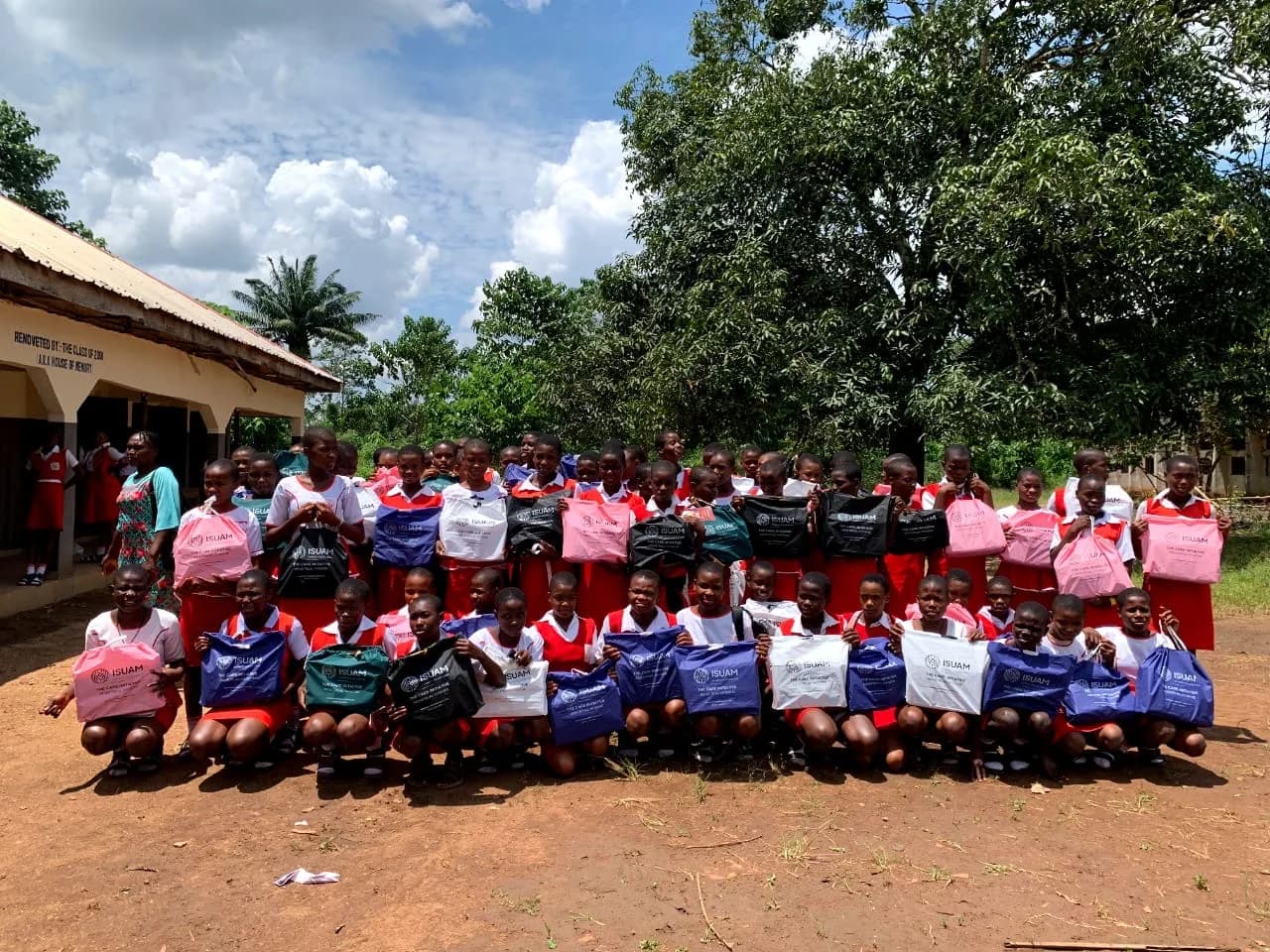
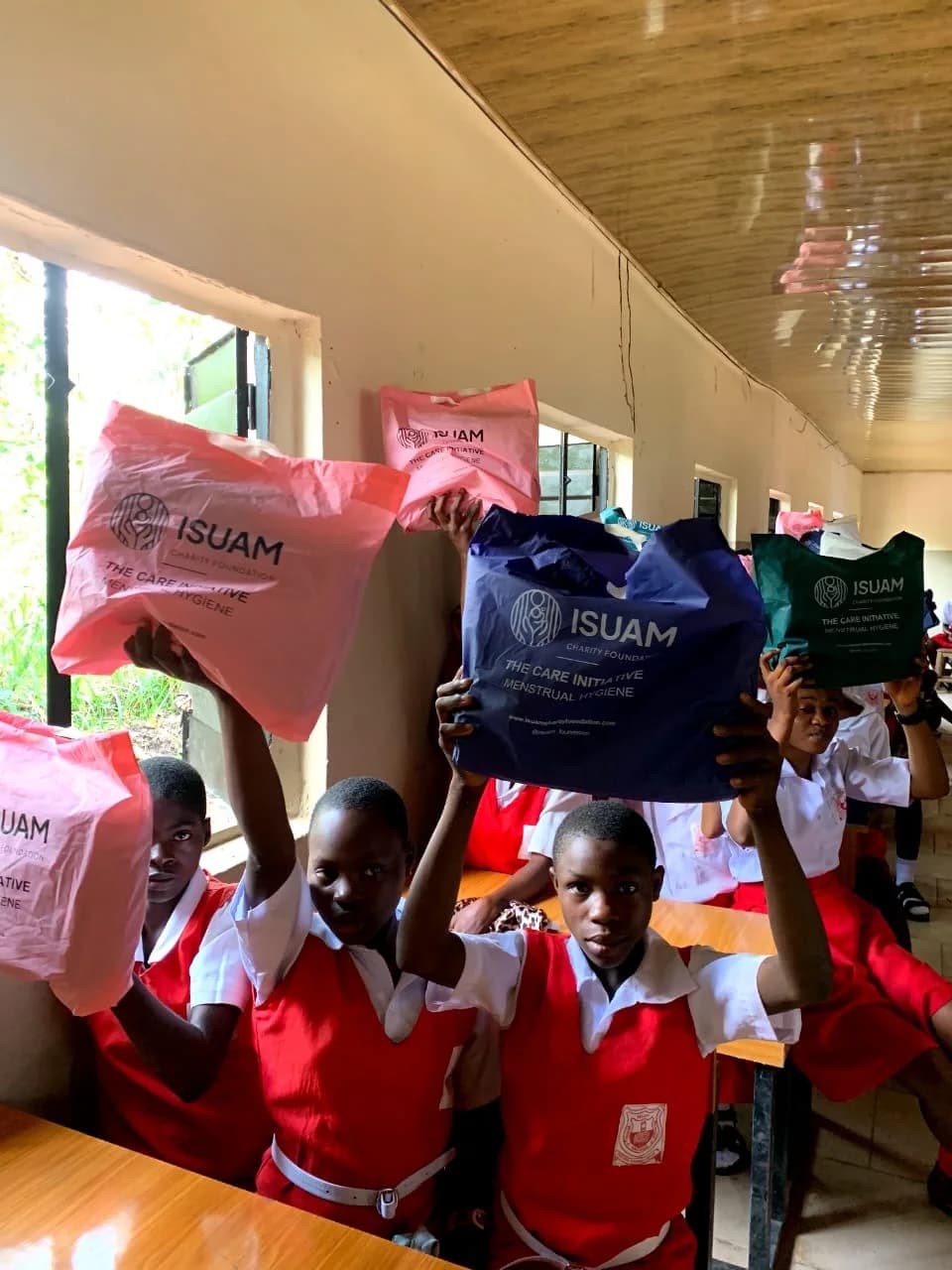
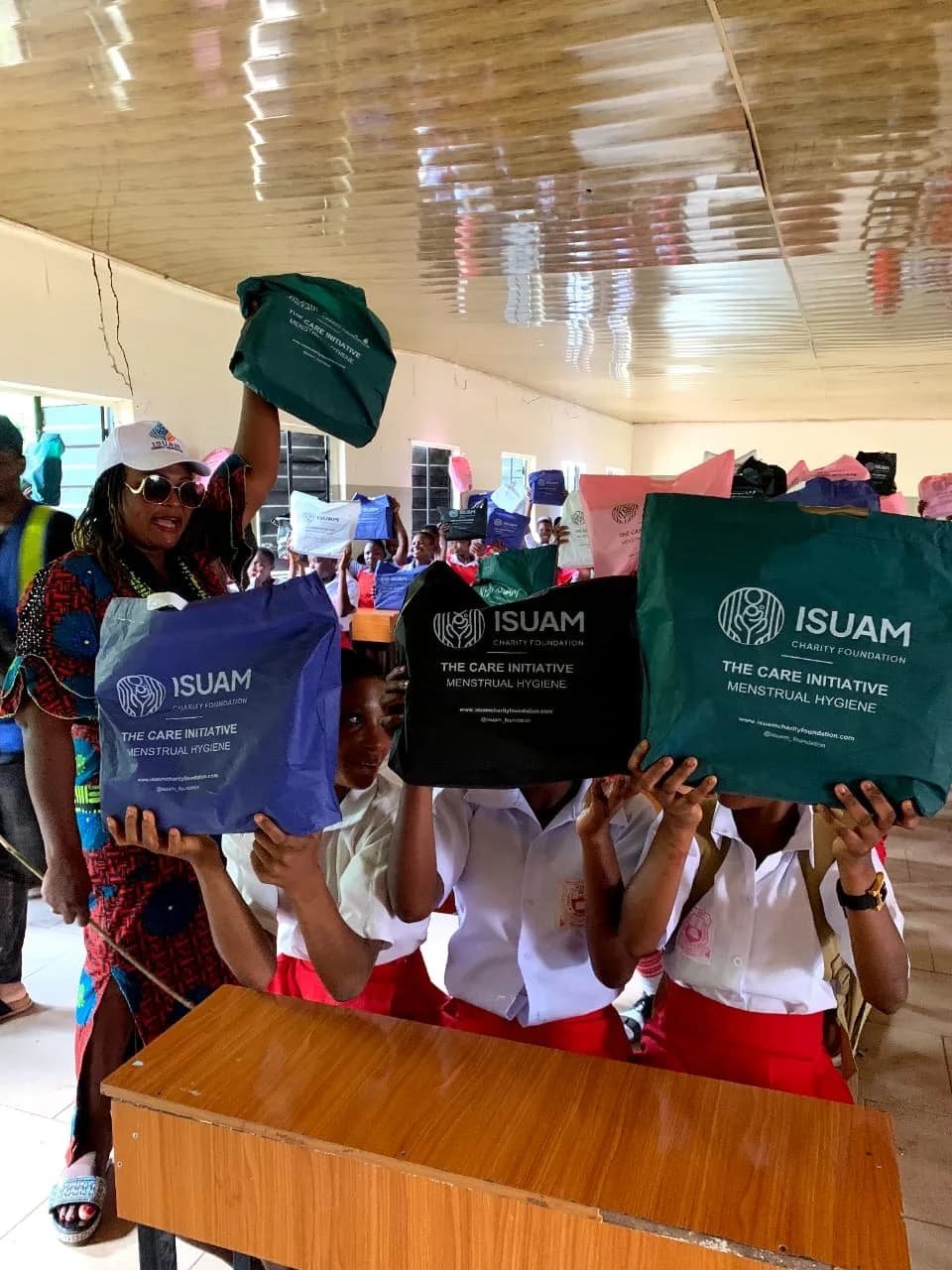
On 30 September 2026, our Anambra outreach reached 450 girls through ISUAM Charity Foundation’s The Care Initiative: Menstrual Hygiene. We visited Saint Jude Secondary School, Ihiala, and Community High School, Amoka, where we distributed sanitary pads and held menstrual-health awareness sessions.
While the outreach reached 450 girls, the experience also highlighted important lessons about logistics, communication, accountability and the responsibility that comes with distributing supplies.
The Journey to Anambra: The Importance of Preparation
The journey to Anambra was exhausting, with repeated stops and delays before we eventually arrived and settled in for the night ahead of our school visits.
The experience reminded me that an outreach begins long before we arrive at our destination. Careful transport planning, appropriate vehicles, safe loading arrangements and sufficient time for unexpected delays are all essential to ensuring that a team arrives prepared and ready to deliver its activities.
It reinforced the importance of treating logistics as a key part of outreach planning rather than simply a means of getting from one location to another.
Beyond Distribution: Educating and Engaging the Girls
During our visits, we spoke with the girls about menstrual health and created opportunities for them to ask questions.
One question that stood out to me was whether menstruation was dirty. I explained that menstruation is a normal biological process and nothing to be ashamed of.
That moment reinforced an important lesson: providing sanitary products is only one part of addressing menstrual hygiene needs. Education, open conversations and the opportunity to ask questions are equally important in helping girls understand their bodies and manage their periods with confidence.
We did not conduct practical demonstrations during these visits because the necessary demonstration materials were unavailable. Our sessions therefore focused on awareness talks, answering questions and distributing sanitary pads.
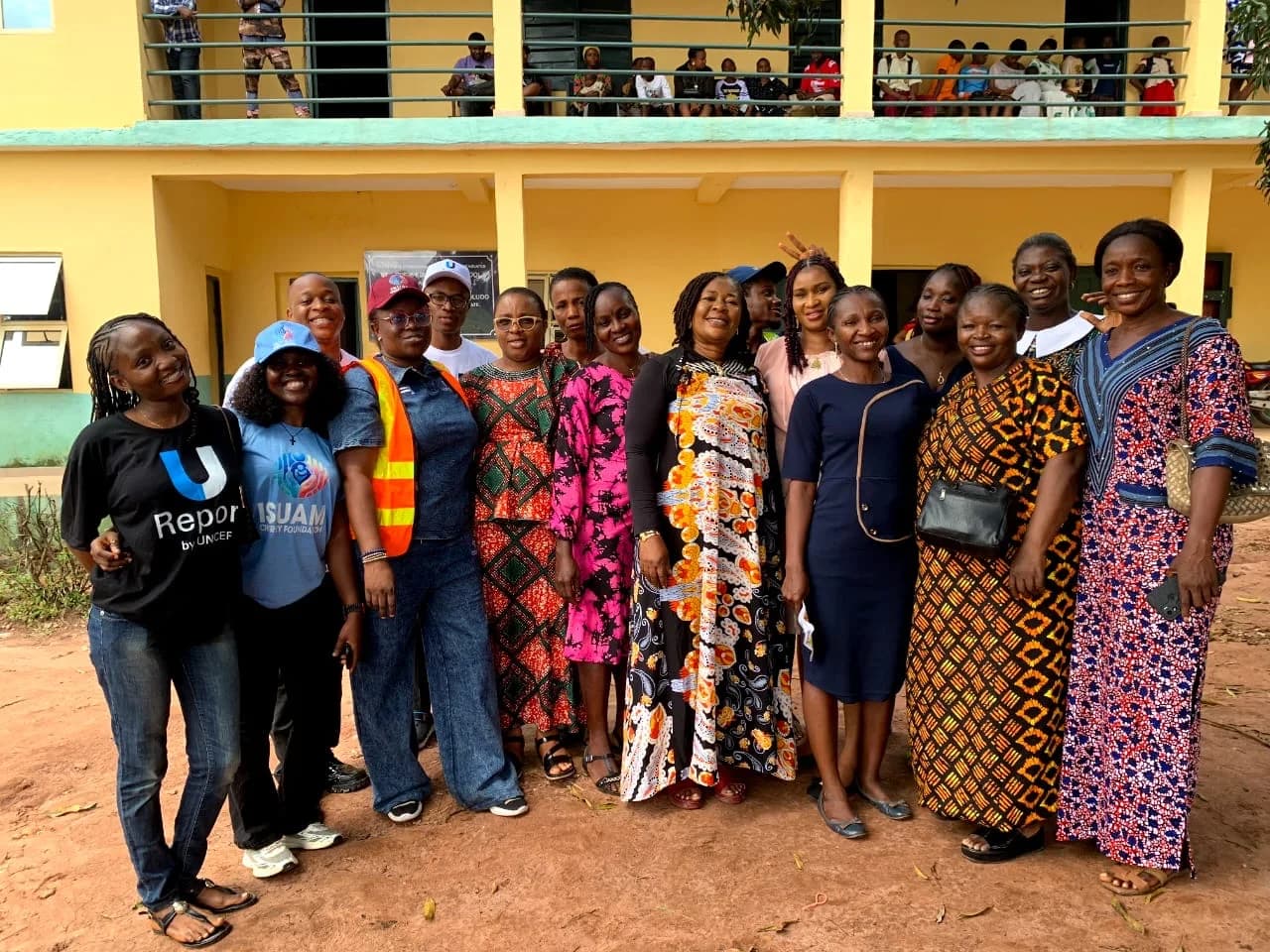
Distribution and Accountability: Protecting the Intended Allocation
We initially distributed six retail packs of sanitary pads to each girl.
At Saint Jude Secondary School, Ihiala, we received additional requests for sanitary pads, including requests for teachers and incoming students. Although I understood the need behind these requests, we had to remain within the agreed allocation because other girls were still waiting to receive support.
It was not an easy decision to turn down these requests, but I had a responsibility to ensure that the supplies reserved for the wider outreach were distributed as planned.
At Community High School, Amoka, a different challenge arose. After the distribution, I returned to the hall and found that school staff were collecting the six-pack allocations and dividing them into smaller, two-pack allocations to share with additional girls.
While the intention appeared to be to extend support to more students, the redistribution changed the quantity received by the original recipients. A girl who had initially been allocated six packs might therefore have taken home fewer than six.
This was an important learning point for me. The number of packs handed over during a distribution does not necessarily reflect what each recipient ultimately receives.
It also highlighted the need for clearer communication and a shared understanding with school management before distributions begin. Schools and outreach teams should agree on the intended recipients, quantities and procedures for handling requests or proposed changes to the allocation.
If redistribution is necessary, it should be discussed and agreed upon before any changes are made. This would allow us to balance the need to reach more girls with our responsibility to ensure that the support promised to each recipient is delivered as intended.
Developing My Confidence in Communication
Another personal challenge during the outreach was speaking on camera.
Interviews and recorded updates were unfamiliar to me, and I found myself learning how to communicate our work publicly while also coordinating the activities on the ground.
I recognise that documenting and communicating our work is an important part of my responsibility. It helps us share our experiences, demonstrate accountability and communicate the impact of our initiatives.
Going forward, I want to become more confident in speaking on camera and explaining our work clearly and naturally. With preparation and practice, I hope to develop this skill and contribute more effectively to documenting our future outreaches.
Key Lessons and Recommendations
The Anambra outreach provided several practical lessons that will help us improve future activities.
- Strengthen logistics planning. Confirm vehicle suitability, safe loading arrangements and realistic travel times before departure, allowing for unexpected delays.
- Agree on distribution plans in advance. Communicate the intended recipients and allocation per person clearly to school management before the distribution begins.
- Establish a process for changes. Any proposed redistribution or additional requests should be discussed and agreed upon before the original allocation is changed.
- Improve distribution records. Record the quantities allocated and distributed, and introduce appropriate checks to understand what recipients ultimately receive.
- Prepare educational materials. Ensure that all materials required for menstrual-health education and practical demonstrations are available before each visit.
- Plan for communication and documentation. Prepare for interviews, photographs and recorded updates as part of the outreach plan, ensuring that activities are documented accurately and appropriately.
Conclusion: Moving Forward with Greater Clarity
The Anambra outreach enabled ISUAM Charity Foundation to reach 450 girls with sanitary pads and menstrual-health awareness sessions. Beyond the numbers, it gave us valuable insight into the practical challenges involved in delivering community support effectively.
For me, the experience reinforced that successful outreach work requires more than good intentions. It requires preparation, clear communication, accountability and a willingness to reflect honestly on what worked and what could have been done better.
I returned with a clearer understanding of my responsibilities: planning effectively, coordinating activities, safeguarding the intended allocation of supplies, documenting outcomes and communicating our experiences with confidence and transparency.
These lessons will inform how I approach future outreaches and help us strengthen the way we plan, deliver and evaluate our work.
Every outreach is an opportunity not only to serve communities, but also to learn, improve and ensure that the support we provide reaches the people it is intended for.
The outreach in pictures