The Care Initiative · Bayelsa
Following through for girls in Bayelsa
The research, decisions and return visits behind reaching 550 girls.
First distribution day:
Our initial research visit in Bayelsa challenged an assumption I had not fully considered: sanitary pads could be available in a community and still be unaffordable for the girls who needed them.
This distinction shaped our approach to The Care Initiative: Menstrual Hygiene. Before deciding where to distribute supplies, we needed to understand the challenges girls were facing and identify communities where our support could make a meaningful difference.
Our Bayelsa outreach covered Akaibiri, Tombia, Igbedi and Agbura, as well as an internally displaced persons (IDP) camp in Yenagoa and an orphanage in Biogbolo, Yenagoa.
The experience involved research, procurement, logistics and distribution, but it also taught me the importance of flexibility, realistic planning and following through when things do not go as expected.
Starting with Research: Understanding the Need
During our initial research, we visited a school near town where girls spoke about the difficulty of managing the monthly cost of sanitary pads.
Their experiences helped us understand that access to menstrual products is not simply about whether the products are available. Affordability can be an equally significant barrier, particularly for girls from families with limited financial resources.
We also visited an IDP camp, where the needs we encountered reinforced the importance of including the community in our distribution plans.
Our initial target was to reach 600 girls in one day. However, selecting the locations required us to balance the level of need, the number of girls we could realistically reach and the resources available to us.
The rainy season presented additional challenges. Some proposed locations were difficult to access, and we had to consider whether reaching them would be safe and practical.
At one school, flooding had cut off the main access road. We completed our initial visit on foot, but it became clear that transporting the sanitary pads along the same route would be difficult. With the support of local contacts, we arranged to meet the girls at a more accessible town hall instead.
This experience reinforced the importance of conducting proper location assessments before distribution day. Research should not only establish where the need exists, but also help us determine how to reach the intended recipients safely and efficiently.
Procuring the Supplies: Persistence and Planning
Sourcing the sanitary pads required persistent follow-up. I contacted potential suppliers through email, social media and telephone calls, compared prices and eventually secured a suitable supplier.
However, securing the order was only part of the process. Delivery presented another challenge, as rainfall and road conditions delayed the shipment while the schools were already expecting us.
I continued following up with the supplier while considering alternative arrangements in case the supplies did not arrive on time.
When the delivery finally arrived, it was a relief. However, another practical issue became apparent: we had underestimated the amount of space required to transport the supplies.
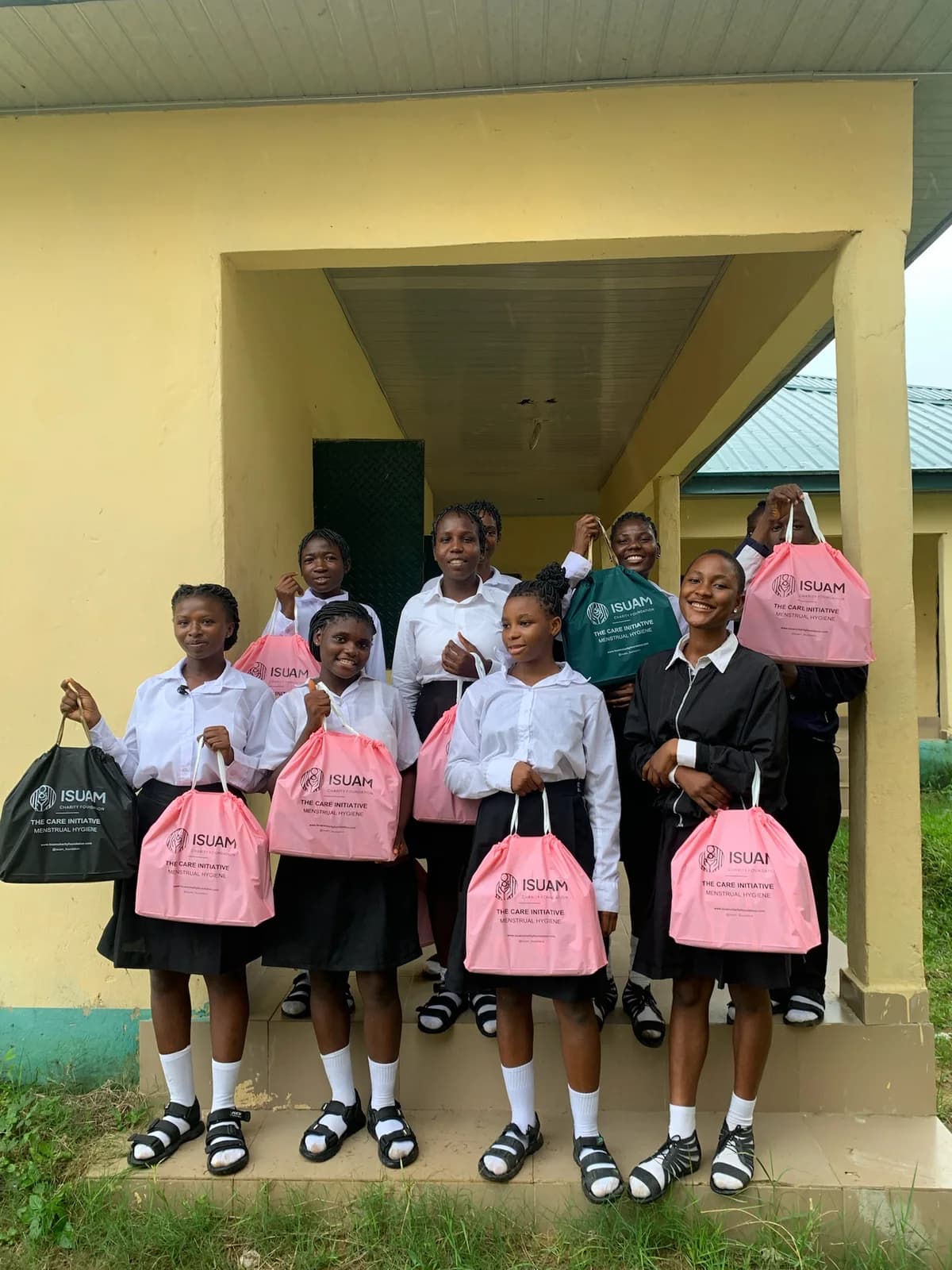
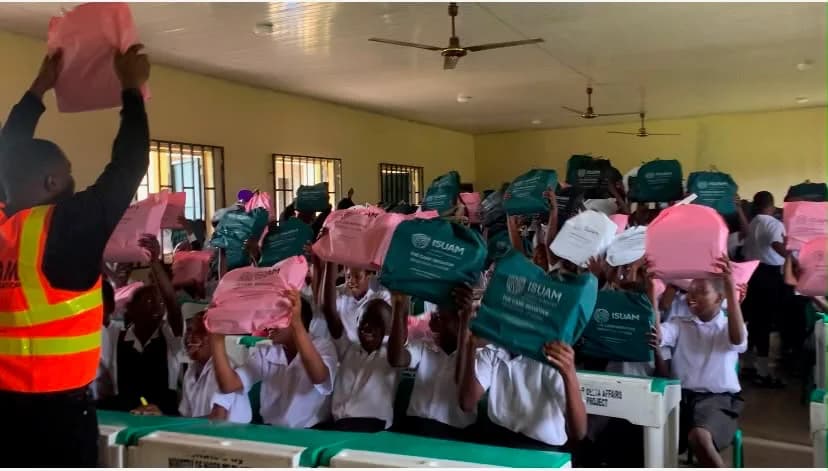
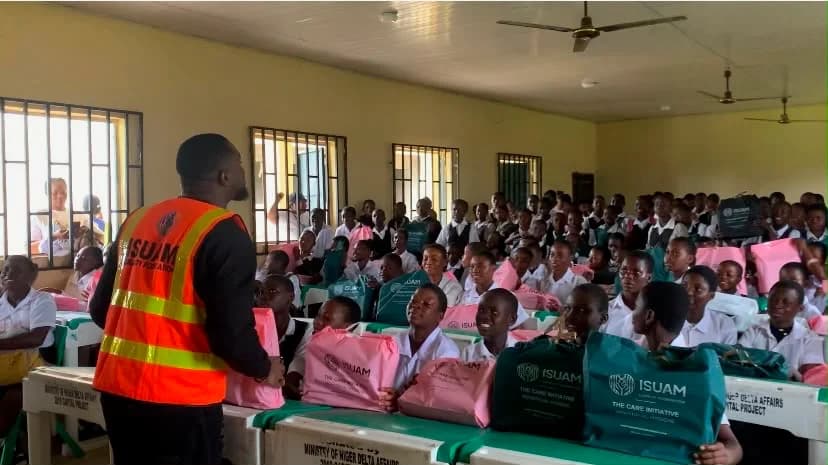
Moving the pads required more transport capacity than we had initially anticipated. We then organised the supplies into branded campaign bags, each containing six retail packs of sanitary pads, ready for distribution.
Looking back, the procurement process highlighted the need to plan beyond the purchase itself. Supplier selection, delivery timelines, contingency arrangements, storage and transportation all need to be considered together.
Distribution Day: Adapting to Unforeseen Challenges
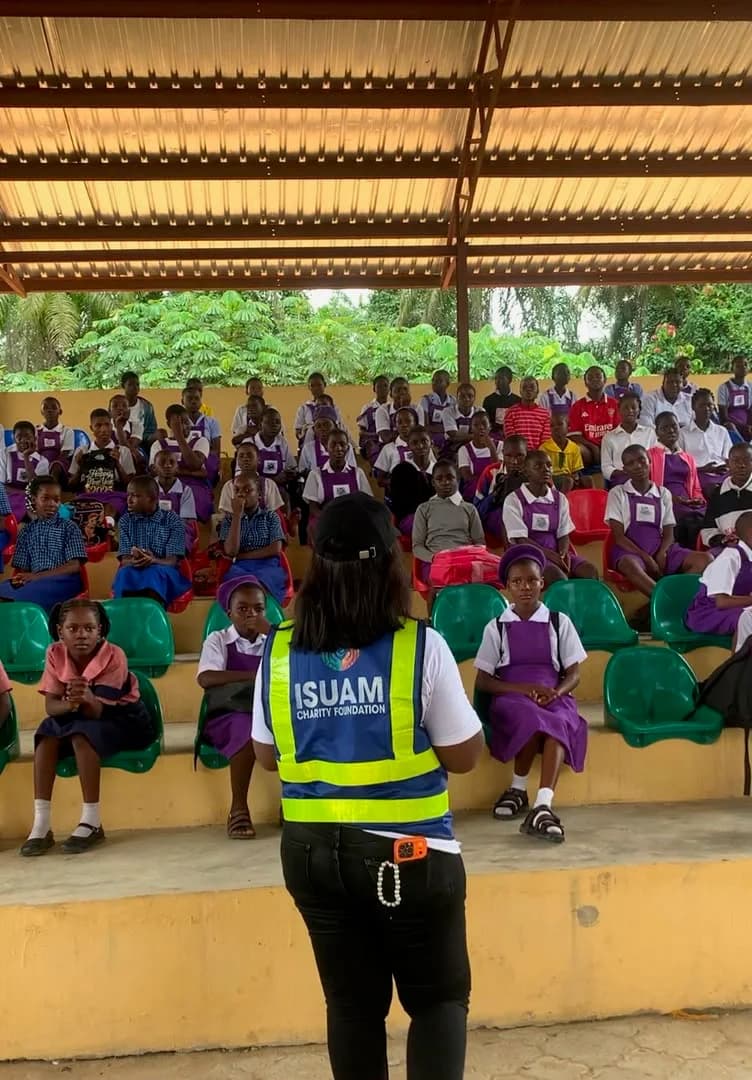
Our first distribution day in Bayelsa took place on 16 September 2026. On distribution day, bringing the supplies and travelling team together presented an immediate logistical challenge. The vehicle we had arranged was not sufficient for everything we needed to transport, so we secured an additional vehicle before setting off.
This adjustment allowed us to proceed, but it also highlighted the importance of calculating transport requirements accurately before making bookings.
During the visits, we received requests from adults, including people collecting sanitary pads on behalf of girls who were absent. We had to explain that the distribution was intended for girls within the campaign's target age group and make careful decisions where we could not readily verify the intended recipients.
While we wanted to support as many girls as possible, we also had a responsibility to ensure that the supplies reached the people the campaign was designed to serve.
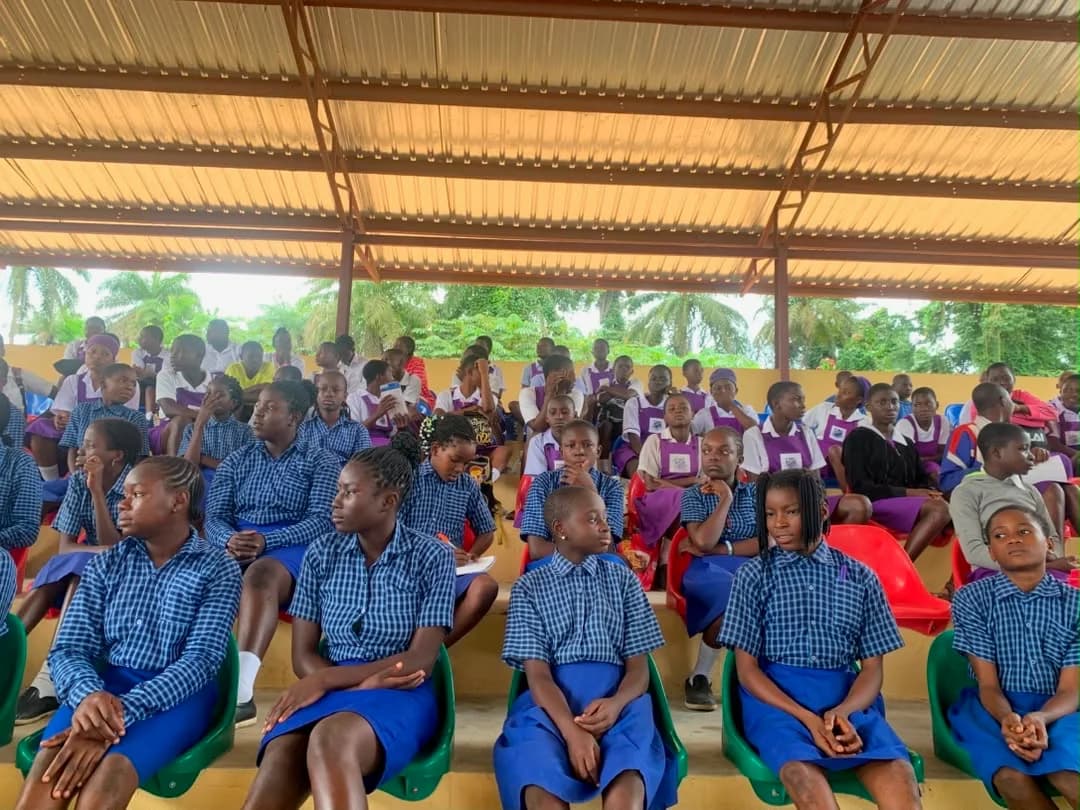
Attendance and readiness varied between locations, affecting how quickly we could complete the distributions. By the end of the day, we were exhausted and had not reached our initial target of 600 girls.
We still had supplies remaining, so rather than treating the shortfall as the end of the exercise, we planned additional visits to reach more girls.
Throughout the process, our volunteers played an important role in helping us deliver the outreach despite the changes and challenges. We presented certificates in recognition of their participation.
Returning to Complete the Outreach
The follow-up visits were an important part of the Bayelsa outreach. We returned to the school we had visited during our initial research, spoke with the girls and distributed sanitary pads.
That visit was particularly meaningful to me because the girls at the school had helped us understand the need that shaped our outreach in the first place. Returning with the supplies allowed us to act on what we had learned from them.
We also visited an orphanage, where the experience reinforced the importance of agreeing on recipient arrangements with host organisations and establishing a clear process for confirming who receives the supplies.
Despite the challenges, we continued until we had reached 550 girls across Bayelsa.
Although we fell short of our original target of 600 girls, the additional visits allowed us to reach more beneficiaries than we had managed on the first day. The experience reminded me that completing an outreach sometimes requires us to reassess our plans, make adjustments and remain committed to the objective.
Key Lessons and Recommendations
The Bayelsa outreach provided several lessons that will help us strengthen future campaigns.
- Let research guide location selection. Understand the barriers girls face, including affordability, accessibility and local circumstances, before deciding where to distribute supplies.
- Allow sufficient time for procurement. Build realistic supplier lead times into the schedule, follow up on deliveries and identify contingency options in case of delays.
- Calculate transport requirements accurately. Assess the volume and weight of supplies alongside the number of team members and equipment before booking vehicles.
- Establish clear recipient and collection procedures. Agree with schools and host organisations on eligibility, attendance and how collections on behalf of absent girls will be verified and recorded.
- Set realistic daily targets. Consider travel time, weather, road conditions, attendance and the time needed at each location when determining how many girls can be reached.
Conclusion: Turning Research into Action
The Bayelsa outreach reached 550 girls with sanitary pads through The Care Initiative: Menstrual Hygiene. Combined with the 450 girls reached in Anambra, the initiative supported a total of 1,000 girls across the two states.
The journey from research to distribution was not straightforward. We encountered procurement delays, difficult road conditions, transport challenges and a shortfall against our initial target. However, we adapted our approach, organised additional visits and continued working towards our objective.
Our next outreach should build on these lessons, with stronger planning and better contingency arrangements from the outset.
At ISUAM Charity Foundation, every outreach is an opportunity to learn, improve and deliver support more effectively. The Bayelsa experience reminded me that when challenges arise, our responsibility is not simply to adjust our plans, but to remain focused on the people we set out to serve.
The outreach in pictures